This article recounts the details of the Boca Raton Cemetery and Mausoleum. It was a legend we covered and explored over a year ago in conjunction with a few other stories on the east coast of Florida, but never wrote a Travel Log for it. Life gets in the way sometimes. I took the story back out for the new book I’m working on, Whistling Past the Cemetery, because to speak to the young girl you come to the cemetery with sadness. Not as much of a ritual as some of the other stories, but I thought it fit. So many who have heard the episode of asked questions, so I decided to take the bulk of that chapter and post it. Any feedback you might have before the book is published. There might be some errors in the information and form, but hey, that’s why it’s called Tripping on Legends.
Cemeteries are places of sadness and grief. The living visit to relive moments with the ones they loved and to recall a life lived, and there is always a touch of sadness in that. Even in the remembering there is a least a touch of heartache. That sorrow plays itself out two different ways in Boca Raton, Florida, but it is a story of triumph and comfort as well as terror and pain. There are two ghosts vying for your attention, but only one of them is likely to put her arm around you and make you feel better. The other is mostly unseen but not unheard.
Either way, it is a story that is pure Florida.
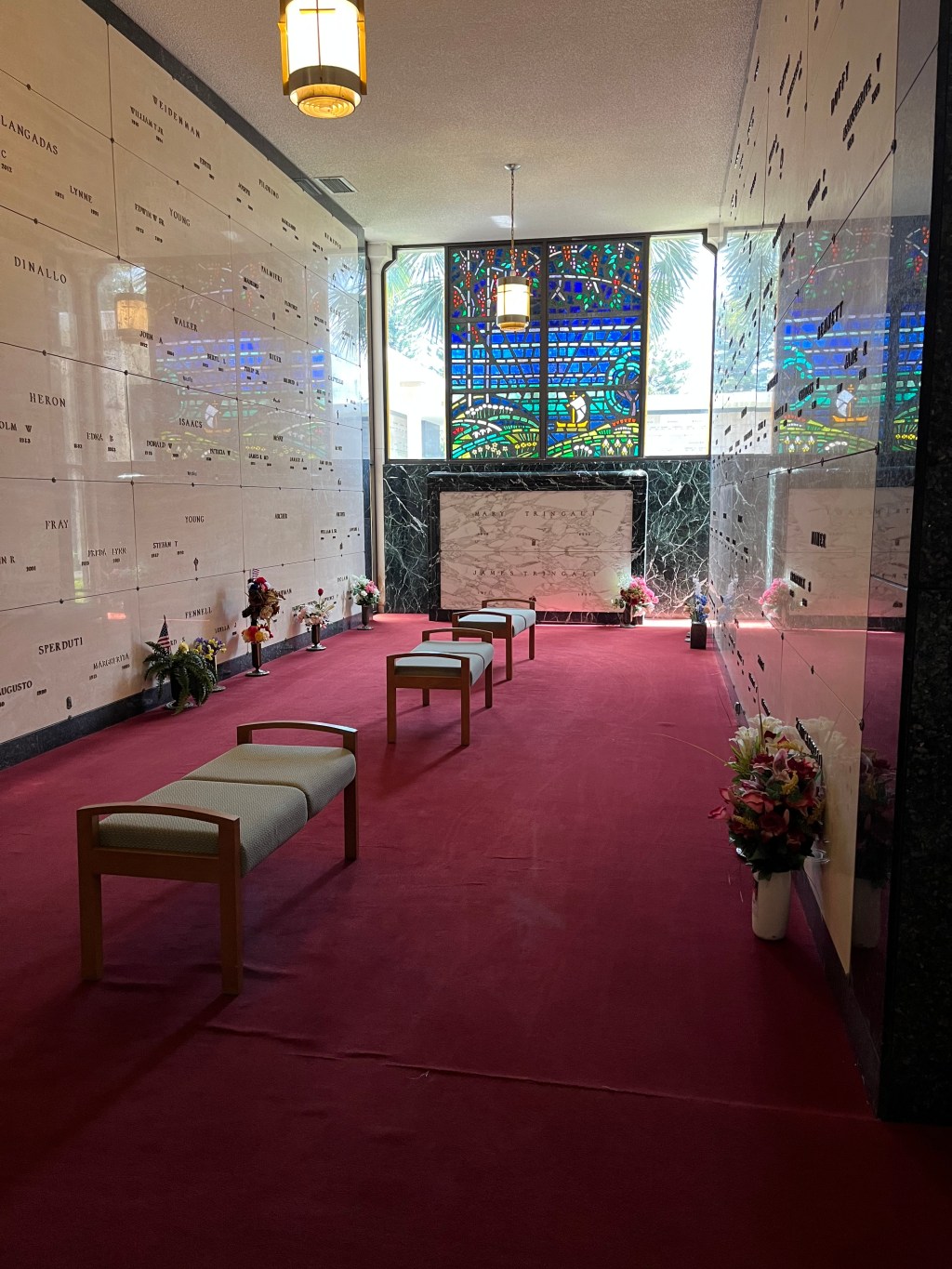
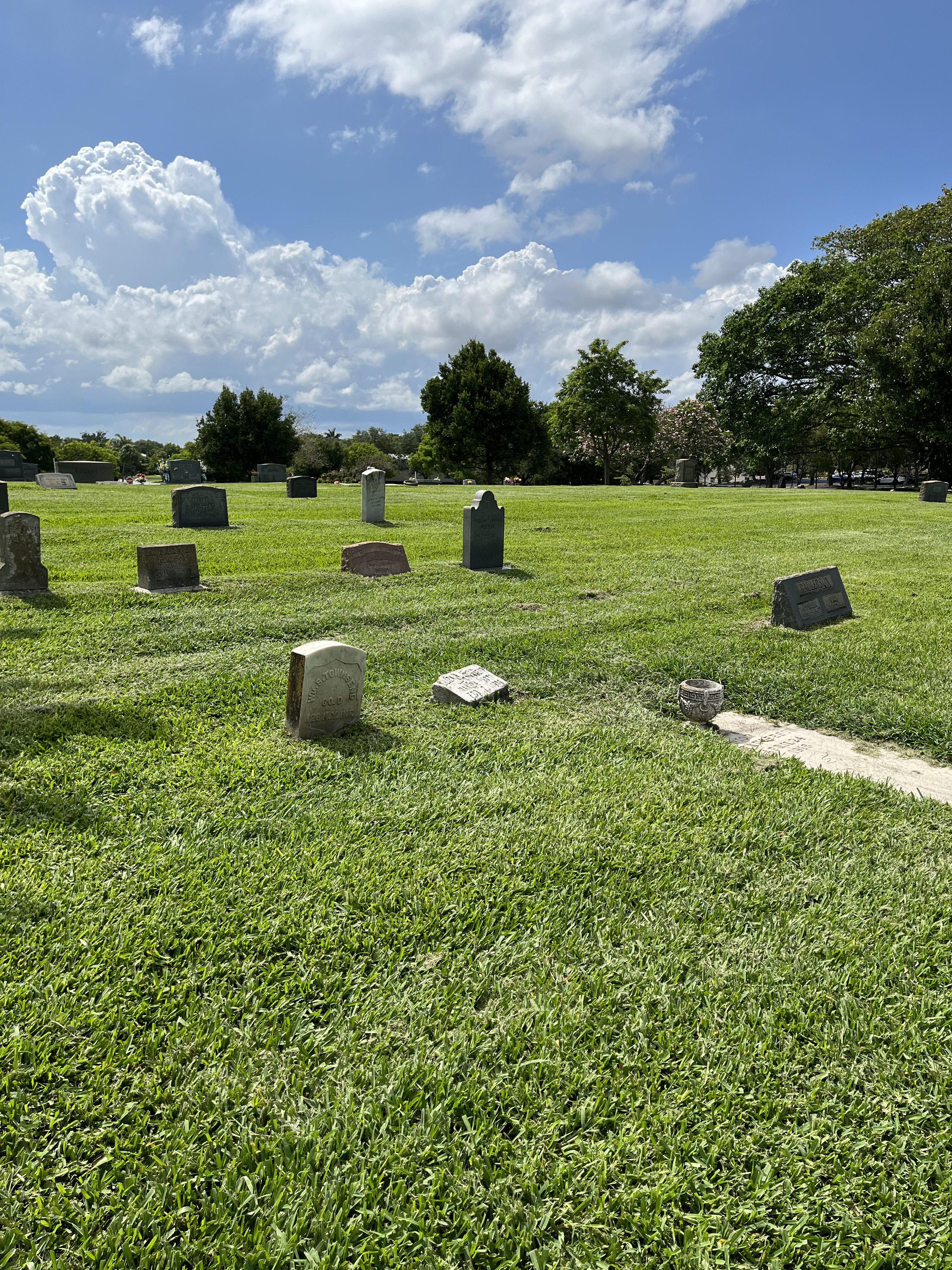
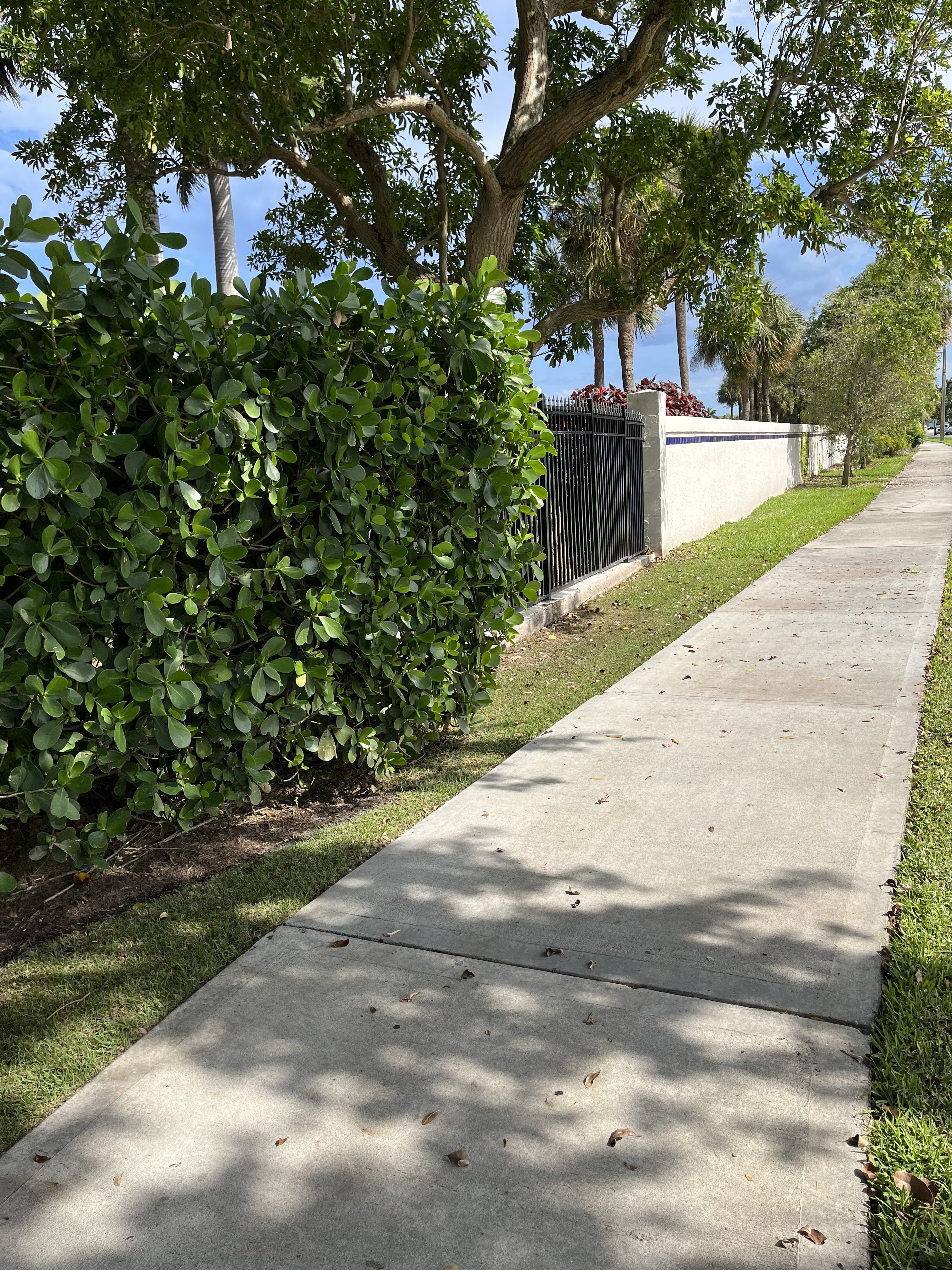
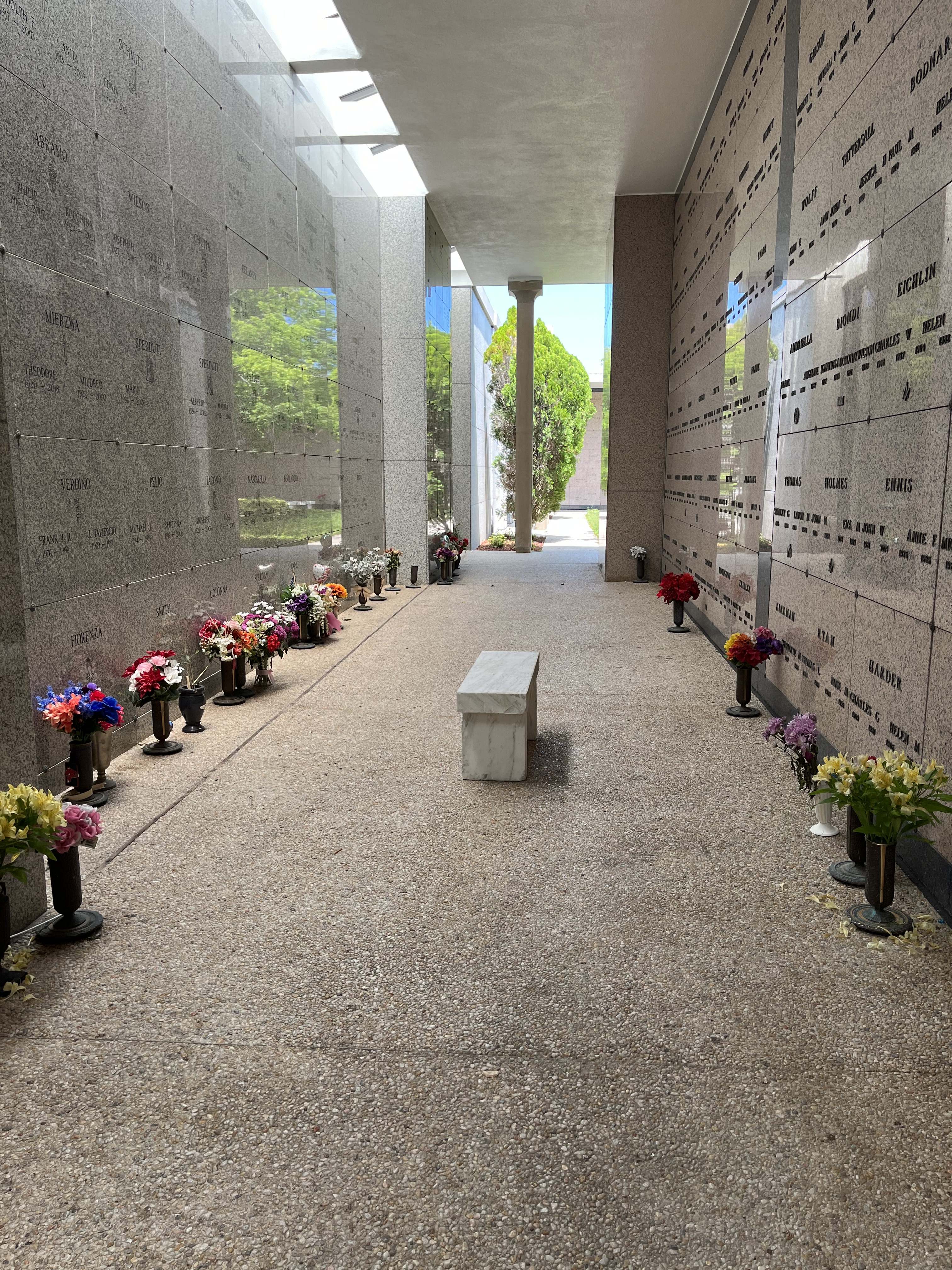
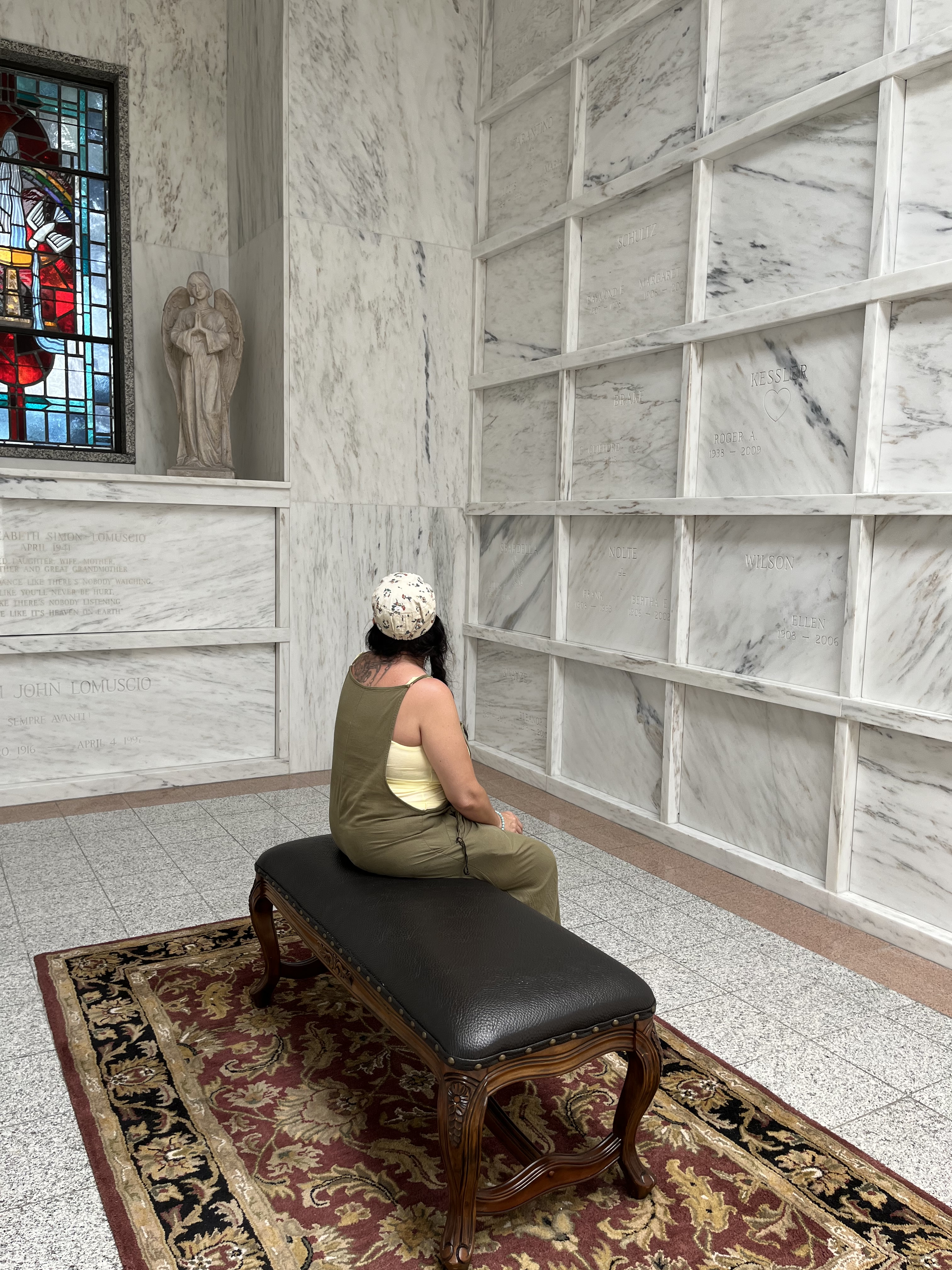
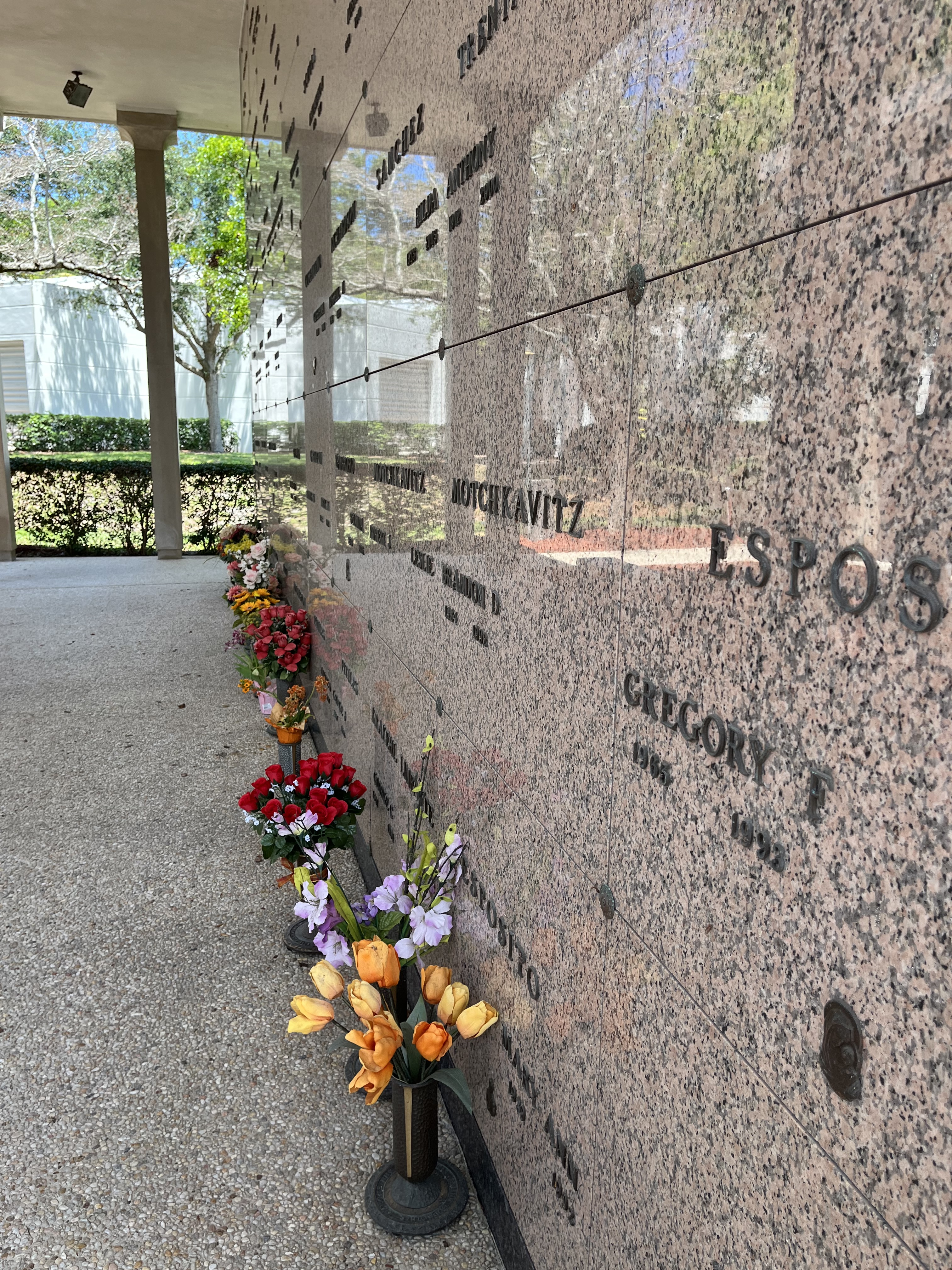
If it makes you feel comfortable, think of the Boca Raton Cemetery and Mausoleum has having been built 1948. That’s what most of the literature says anyway. The entrance contains a modest field of older graves, most sunken into the Florida grass and slightly leaning to one side or another. The focal point of the burial site is really its gardens and mausoleum, roughly located in the middle of the plot, which can feel like a maze of identical walls with undistinguishable plaques broken up with the occasional Mason or religious symbol. There are stuffed animals and flowers and small toys propped up and pictures of the dead faded in the Florida sun despite being mostly in the shade. And there are benches; maybe more benches than you would think you’d find in a cemetery this size. They were not installed to accommodate Poor Mary, but she uses them just the same.
The Screaming Man does not like the benches. He does not seem to like anything.
For decades, a man’s voice has been heard in the cemetery late at night. It starts out a low moan, building into a steady hard cry until finally the man is screaming in anguish. The noise is so loud it has been known to wake up the neighborhood, and as the humble homes nearby have been replaced with apartment complexes and gated communities, the screaming has not stopped. People looking out their windows or walking by clearly hear the man, but there is nothing there. Residents who have heard it more than once, and there are many residents who have heard it more than once, say the voice is the same, even it has been decades between encounters.
According to Dr. Greg Jenkins who authored a series of books about Florida ghostly folklore, the noise has gotten so bad at times that the police have been called. There is actual evidence in the police logs of the town of officers investigating the howls. They patrol the grounds, sometimes hearing the shrieks themselves, but are unable to find who is making with them. Several times they have followed the crying into a room within the mausoleum only to find no one there and the noises fading away. These police inquiries are also the only time a shadow has been seen. A male figure, not much more than a shadow, has been spotted and followed by the police only to disappear.
Residents stopping at traffic lights next to the cemetery between the hours of midnight and three o’clock AM say they sometimes have their cars slammed into. They say it feels like they have hit an animal, but they are standing still. It shakes the car, but when they get out there is no damage, and they often hear crying from the cemetery when they get out to check.
The mystery of who the man is remains unsolved. The possible reason for his sadness is a trip through the history of the town.
Established in 1896 along the Florida East Coast Railway, Boca Raton quickly became a destination spot for vacationers and people looking to retire among the best the state had to offer. Developers saw the chance to cash in on people’s vision of Florida as a paradise and built anywhere they could. In 1916, Frank Chesebro allowed some of his land to be used for burials, but that did not last long. In 1928, to make room for a new golf course, the bodies were dug up and moved to do a different location. It is never a good idea to move the bodies. Land developers didn’t really take that lesson to heart and moved the whole cemetery again in 1942 to make way for a new military base.
Perhaps then Screaming Man is a displaced soul looking for where is body might be. It has been moved so many times he is never quite sure where he is laid to rest.
Perhaps the misplaced body is even older than that.
Boca Raton has a deep history of pushing the past aside to try and catch the flavor of the moment. One of those people was E.G. Barnhill, a photographer who fell in love with Florida and started to explore the state more in the 1920s. When he came upon Boca Raton he saw a chance to settle some of the land and perhaps build his own community to serve the surging population. He quickly changed his mind. As he dug, he discovered Native American bones, most likely from the Tuquesta, Jeaga, or Ais tribes, on his twenty-four acre property. Rather than try and preserve what he had found, he decided to take advantage of the new highway and roadway traffic and the growing roadside attraction business that was booming in the area. He chose the “best bones” and placed them in a 20-foot-high mound. He chose the ones that looked well weathered and complete, regardless if they were from different people, and bundled them together. He then built a glass tunnel through the mound so people could walk through and marvel at the skeletons. It became known as the Barnhill Mounds and part of his Ancient America experience. The stories say that you could even buy small bags of bones to take back with you to your hometown. Forget about alligators in sewers.

Eventually his business went under. He took a small collection of the bones and toured the state with them, and the Barnhill Mounds were laid to waste and became a yacht club.

A similar thing happened in the 1950s when John Peterson began digging up the Native American burial areas and laying down an African landscape. Inspired by the heat, he believed people would travel the short distance to Florida rather than all the way across the ocean if he could just replicate the plant and animal life closely enough. That and the presence of pinup model Betty Page, who endorsed the park and agreed to be on the advertisements. Africa USA opened in 1953 with imported plants and a menagerie of African beasts, some of whom were on the verge if extinction. It was fairly successful, but a few years after its opening the Department of Agriculture was doing some spraying and killed some of the animals. The park closed in 1961.
Both of these amusements were within blocks of the Boca Raton Cemetery. That represents hundreds of souls in the area who have been dug up and cast aside.
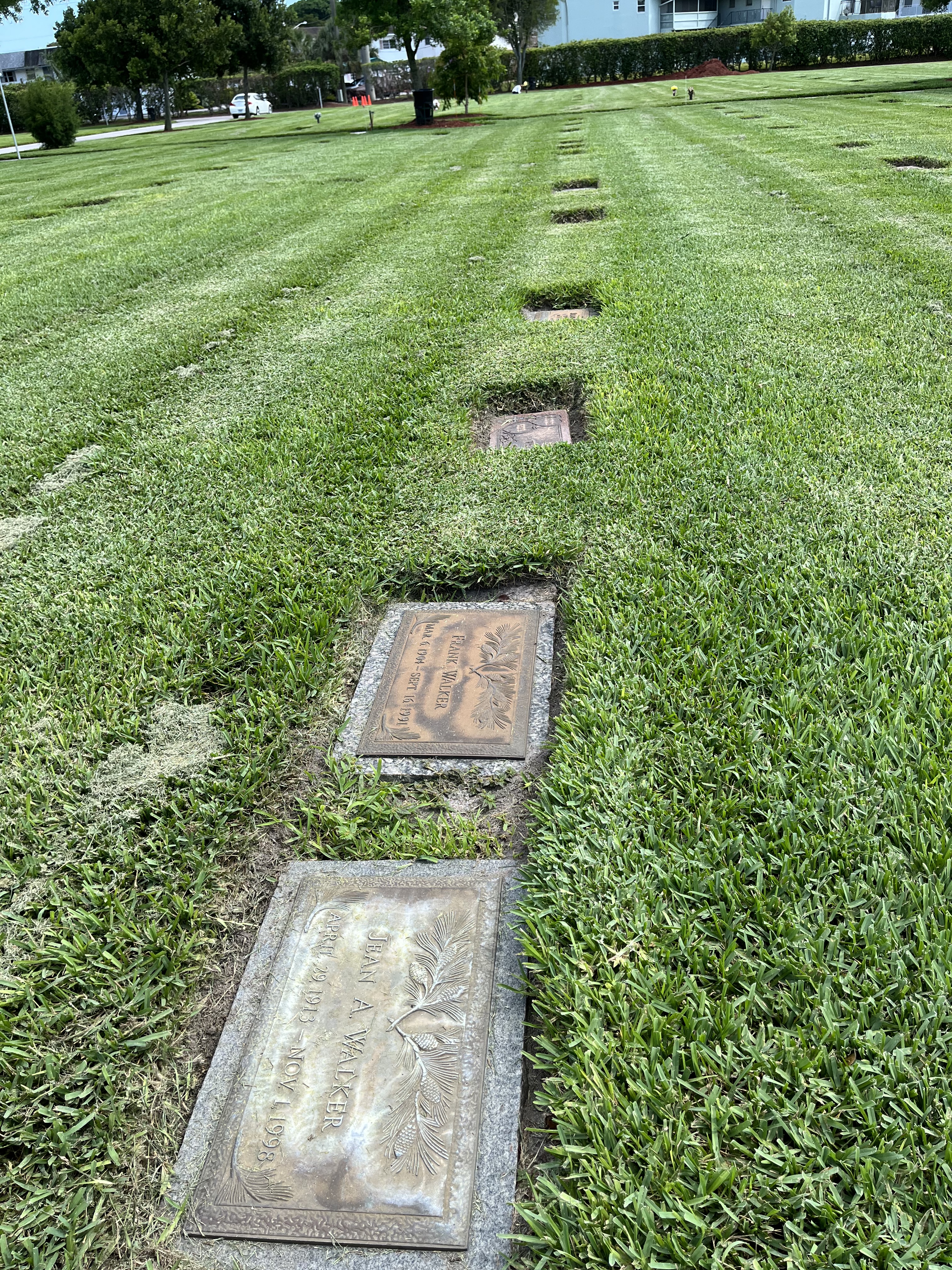
The answer might be simpler if not more sad. When you walk through the original part of the cemetery and examine the headstones there are at least a dozen that suffer from the same situation. They are double plots with a marker places in the middle. One of them, John Smith was born in 1875 and died in 1945. His faithful wife, Susan, was born in 1890 but there is no date of death. One can only imagine Susan is not walking around at over a hundred and twenty years old. Where is she? Chances are she lived on and was buried somewhere else with her family, maybe where she was originally from, or she found someone else to love in her last days and is resting with him. Nothing is more Florida than finding new love late in life. Sometimes nothing is more intense than a lost love.

Mary probably never had a chance to love in that way. She was young when she died, but her story may be more heartbreaking. Except Mary lived a full life in her time and touched the lives of so many. It only makes sense her ghost would continue the good work.
Dr. Jenkins talks of a teenage girl seen by many of the visitors to the mausoleum section of the cemetery. Many of the encounters he described feel like a small child is running around among the tombs, and much of the folklore that has developed around her reinforces that idea. However, the initial reports tell of a young teenager with calming eyes who wears a maroon colored dress with white sleeves. She may have curly or very short hair, like in a pixie cut. She is most associated with the west side of the mausoleum. Sometimes she can only be felt, as if you know someone is there with you; not watching you as much as by your side, looking at what you’re looking at. One woman said it was like that feel you get when you just know someone is about to walk around the corner or be there when you turned but never seeing anyone.
She is seen frequently enough though. Most times she just appears but does not seem out of place. She may be standing near a memorial you are on your way to visiting (visitors say they get the sense she knows you are coming) or just appear next to you. She is often seen on one of the many benches. People with children will hear them laughing and watch as they play with a girl in a dress who disappears. She is not supposed to be there and sometimes has a light around her, but people rarely feel a sense of dread. It is exact opposite.
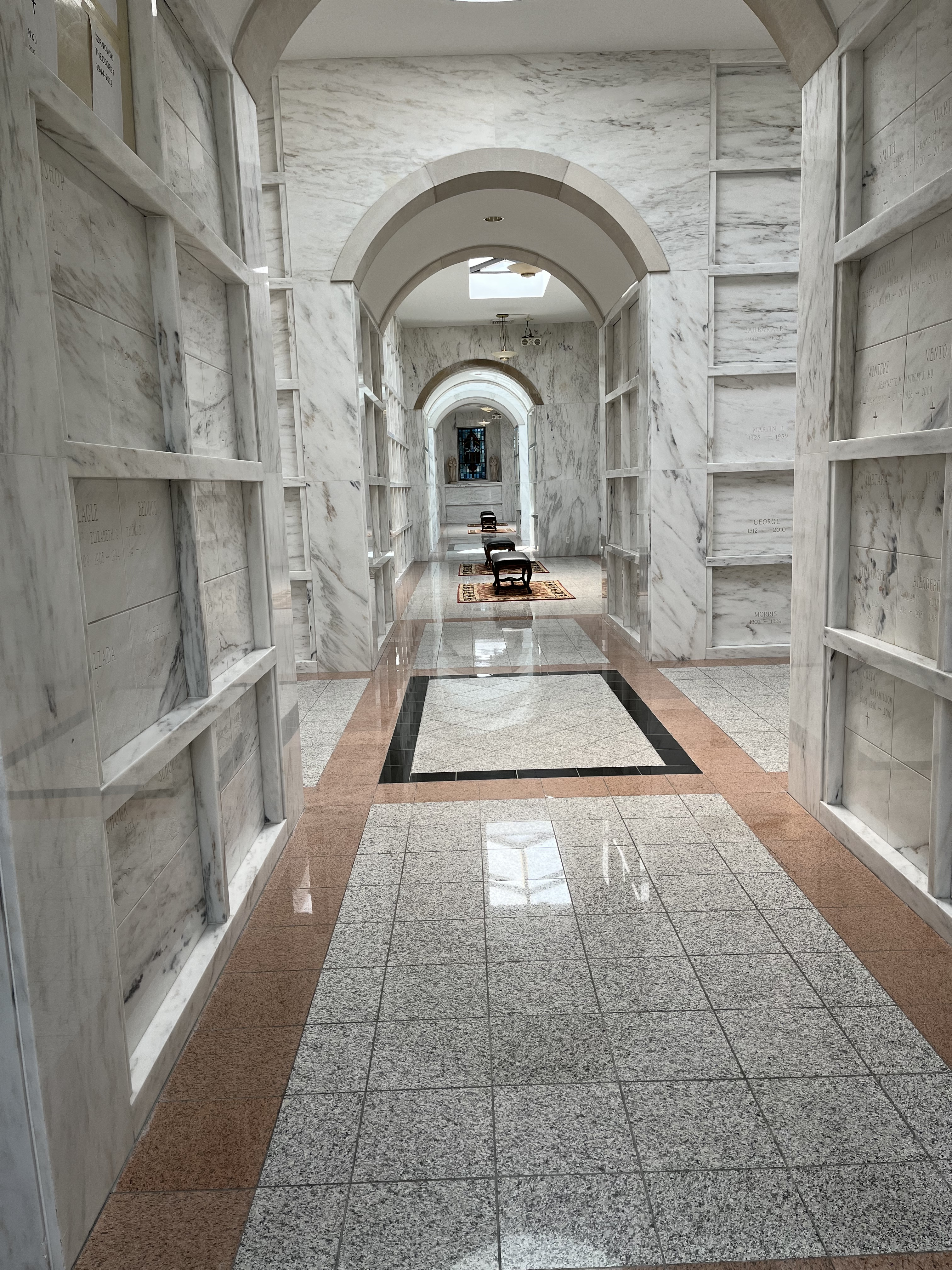
While many cemeteries feature a legend where you can make the ghost communicate by doing some form of ritual or ceremony, all you have to do for this ghost is come to her place of rest with sorrow in your heart. Mary comforts those at the cemetery.
Whether she walks up next to you or sits next to you on a bench or her disembodied voice is heard from behind you, this teenage ghost offers consolation to the mourners of the cemetery. She tells them everything is going to be okay, sometimes while stroking their arms or shoulders. She has even been known to ask the living to describe their loved one who has died, like a therapist helping you work through the pain. She tells them about the beauty of the afterlife or how those in the cemetery are safe and wishing them love. People leave and go on with their lives, remembering but no longer feeling pain at the passing. Some have even gone to the cemetery feeling grief for someone not buried there. Mary feel their need and helps them too.
Finding a grave of a teenager is a rarity in the Boca Raton Cemetery. Most of the headstones and memorial are for people over the age of sixty, and unlike other burial areas, there are not many family graves. The cemetery is more for older people and older couples, which makes sense given the demographic of the area. In the west end of the mausoleum, where Mary is most often seen, there is one memorial which offers the best suspect, and anyone who knew this teenager in life would tell she makes perfect sense. She is not doing anything in death that she did not do in life.
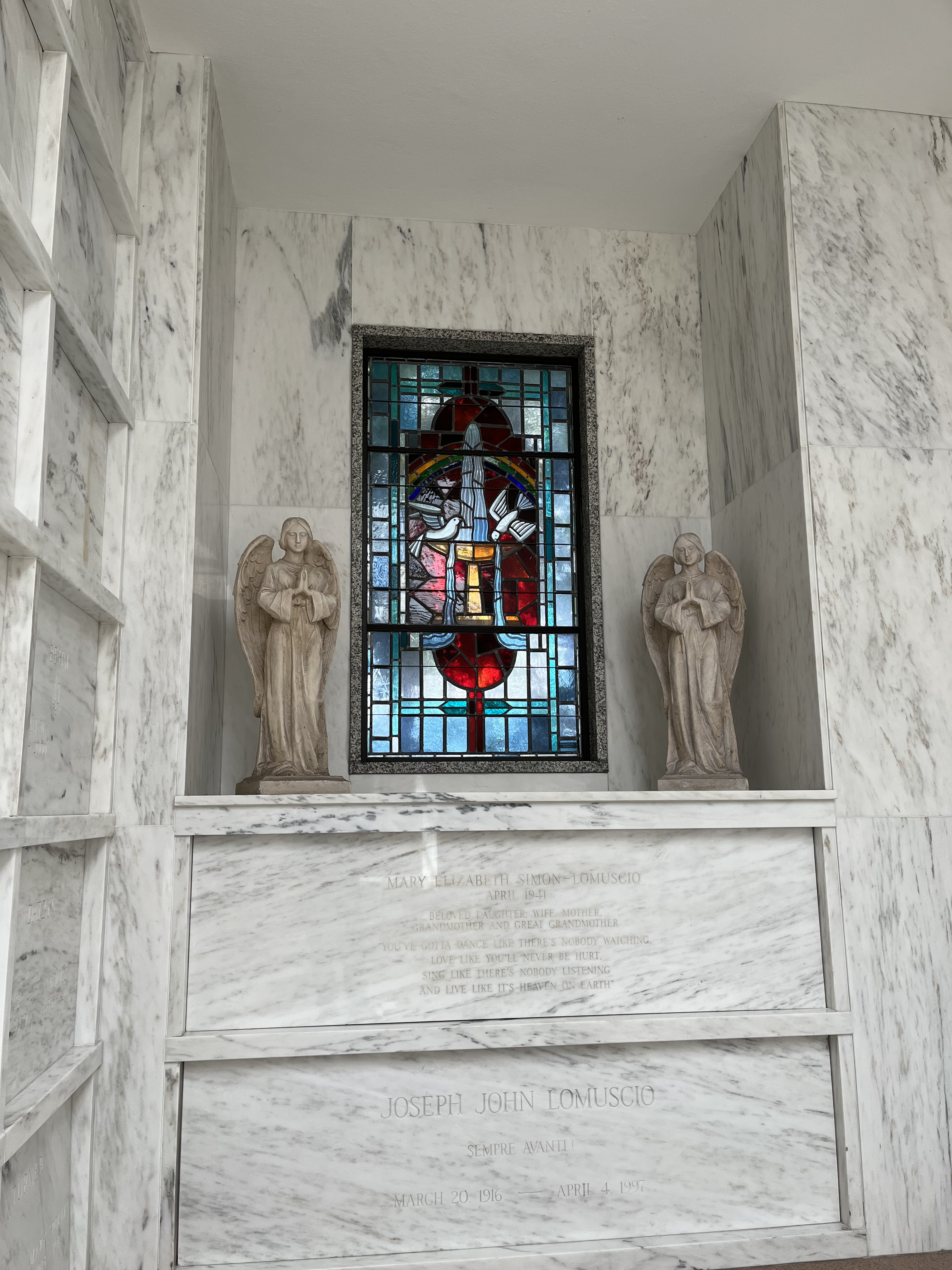
Mary Davis died in 1989 and is buried next to her twin brother. Alex, who passed in 2010. She was 12 when she was originally diagnosed with brain tumor and lived to fifteen. As a youth, she was a popular and energetic girl, known for her curly brown hair and big brown eyes. She had been overweight in elementary school and was known to fight bullying and defend those who could not stand up for themselves. She received high grades in school and was on the dance and cheer teams. Most of all, she was remembered as being a teenage of strong faith.
It was this strength that sustained her and her family through her sickness. In the three and a half years after her diagnosis, she has would go through several surgeries and experimental treatments to try and rid herself of the cancer. Local businesses and charities held fundraisers to help with the medical bills and life under the cloud of the disease. Through it all, Mary ministered to those trying to help her. She was known to talk to the doctors and nurses at the hospital about their faith and offer them advise and counseling. Her father, Alex senior, would write a book entitled From Tragedy to Triumph. In it, he talks about one man who was a local professional sports star and another who was a politician who both came to comfort her towards the end. Instead he walked it to find her offering them comfort and spiritual guidance.
In the book he goes on to talk about the how Mary’s brothers struggled after he death. Two of them, including her twin who refused to celebrate his own birthday without his sister, died fairly young in unfortunate ways. While her father feels their sister’s spirit helped them in her own way, the people who visit them cemetery sense her in a visceral way that helps them work through the loss of their loved ones.
Maybe visitors feel better because they have convinced themselves the cemetery is a healing place. Skeptics might say this, but many who feel or see or do not know the story before they go. It would seem instead that Mary does offer some shoulder to cry on painted by her experiences as a girl of faith and one who has seen the other side. Many cemeteries offer visitors a chance to perform some ritual or ghostly tradition to experience their spirits. In Boca Raton, you just need to come with your sadness and the ghost will come to you.

You can contact us with questions, comments, and your favorite legend or tidbit of folklore at spookytripping@gmail.com.
Check out Christopher Balzano’s books, including the newly released The Ghostly Tales of the Ocala National Forest.
Feel free to call our new phone number during our lives shows to get involved or whenever just to share a legend you’ve heard to ask a question at ((813) 418-6822.
Keep visiting the site for the trip log of our travels and other urban legends at: www.trippingonlegends.wordpress.com
Follow us at: www.facebook.com/trippingonlegends
Instagram: @SpookyTripping


 Tripping on Legends...
Leave a reply to Little Brothers and Little Cars – Tripping on Legends… Cancel reply